
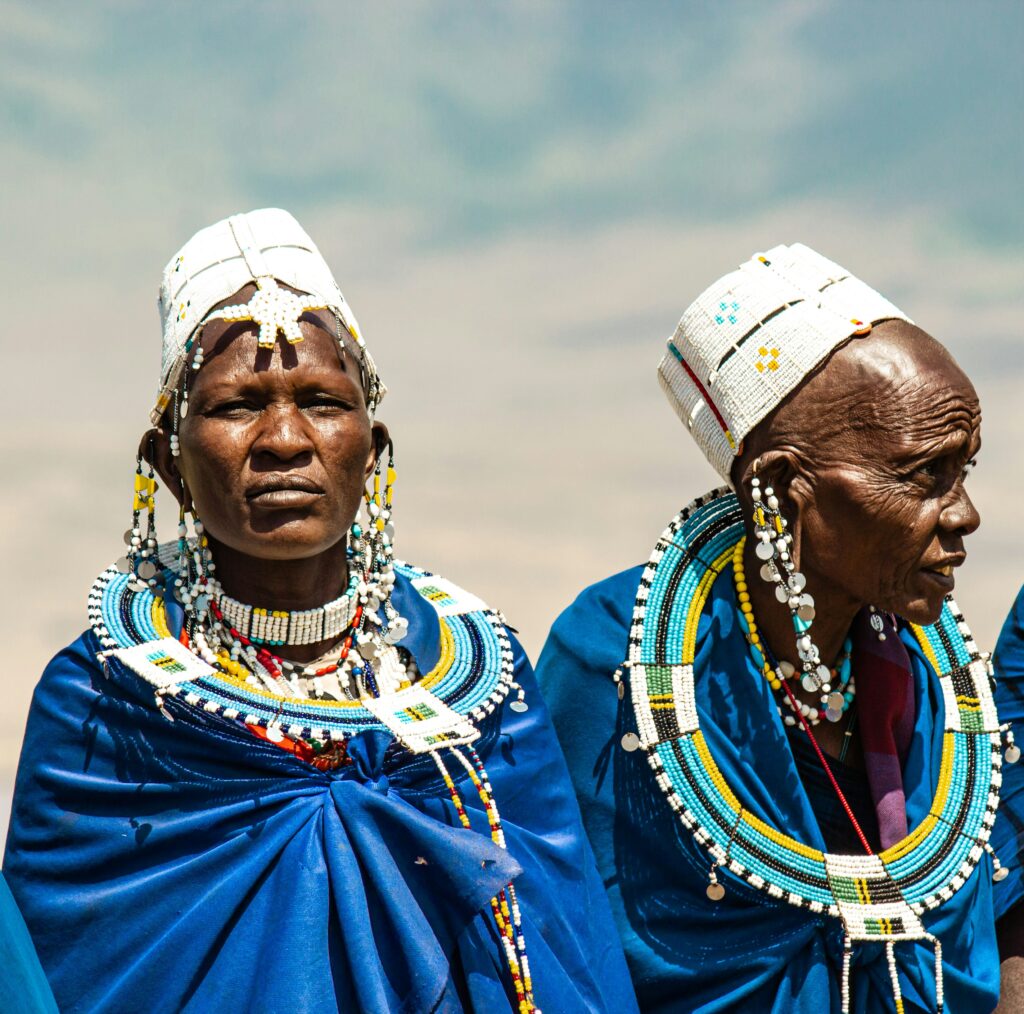
Discover African’s Diverse Treasure
Tanzania is one of the few destinations in the world where you can perfectly combine an unforgettable wildlife safari with a relaxing tropical beach escape. Renowned for its breathtaking landscapes and extraordinary abundance of wildlife, it is home to the iconic Serengeti Great Migration and the spectacular Ngorongoro Crater, making it a world-class safari destination. Beyond the savannah, the idyllic islands of the Zanzibar Archipelago offer white-sand beaches, turquoise waters, and exclusive barefoot luxury along the Indian Ocean coast. From thrilling game drives to serene ocean sunsets, Tanzania delivers a unique blend of adventure and relaxation, making it one of the best places to visit in Africa for an authentic and unforgettable travel experience. Discover the 12 best places to visit in Tanzania to experience its natural opulence in full.
01. Serengeti National Park: The Home of the Great Migration
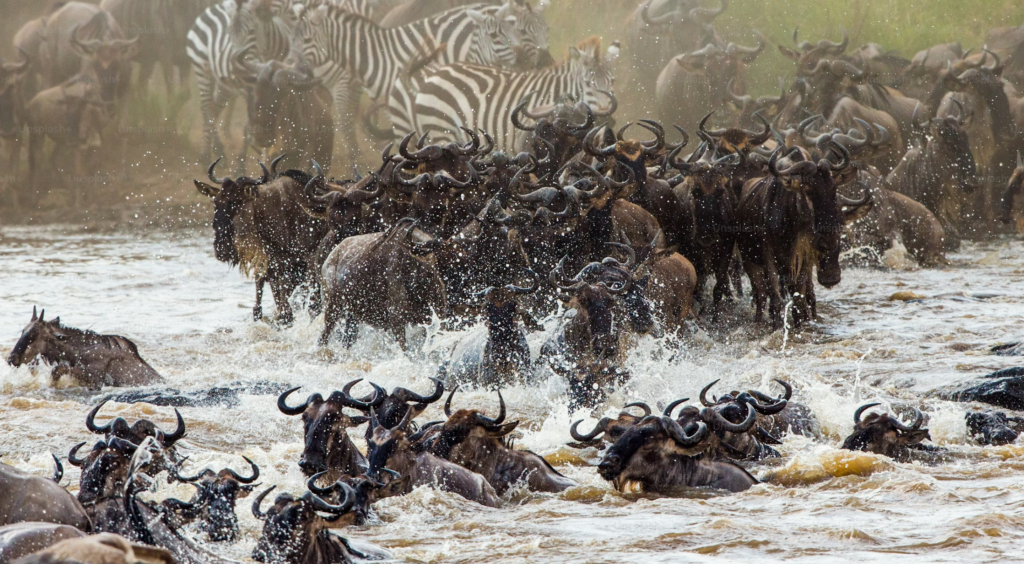
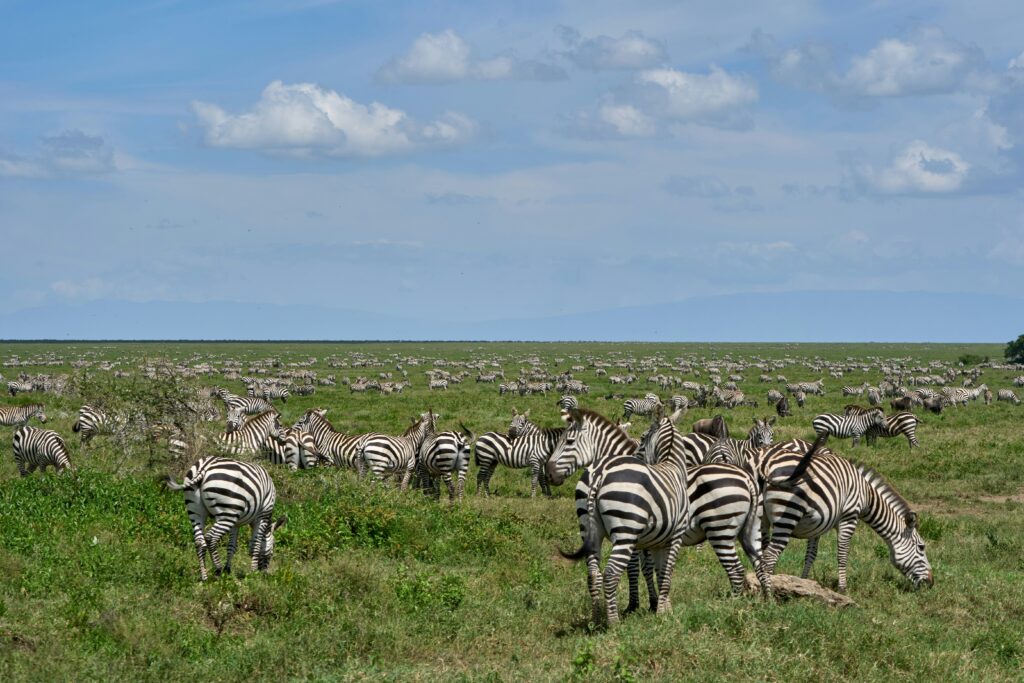
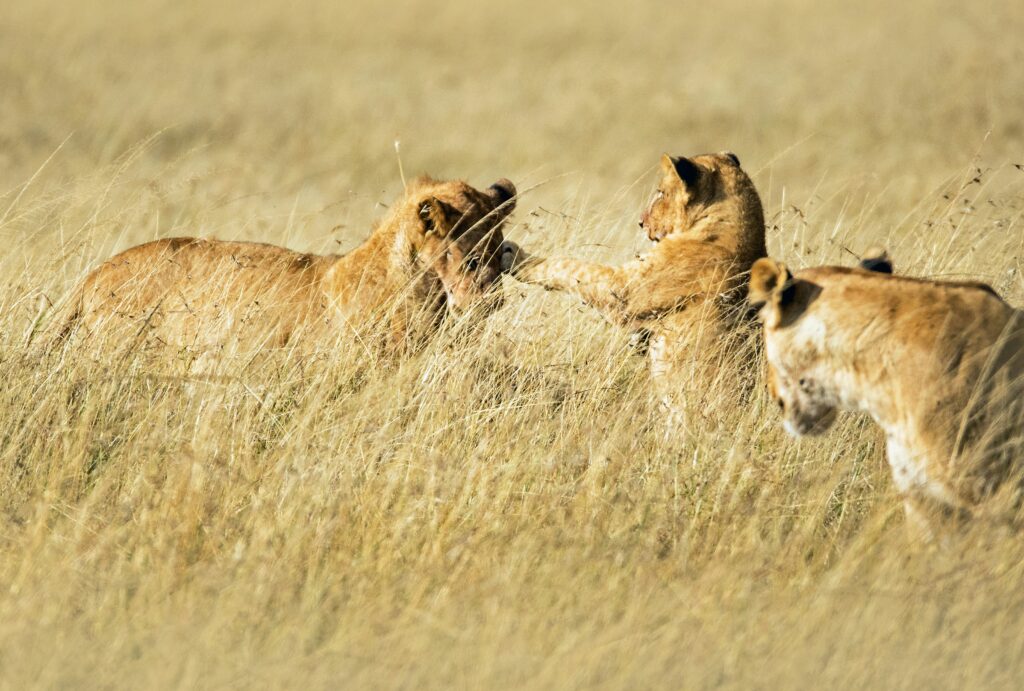
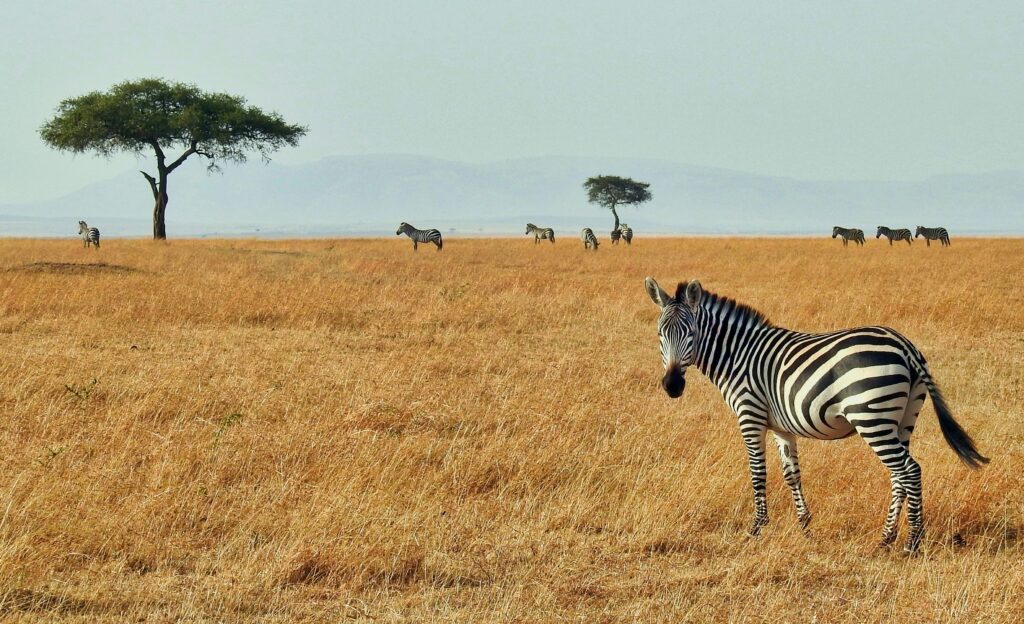
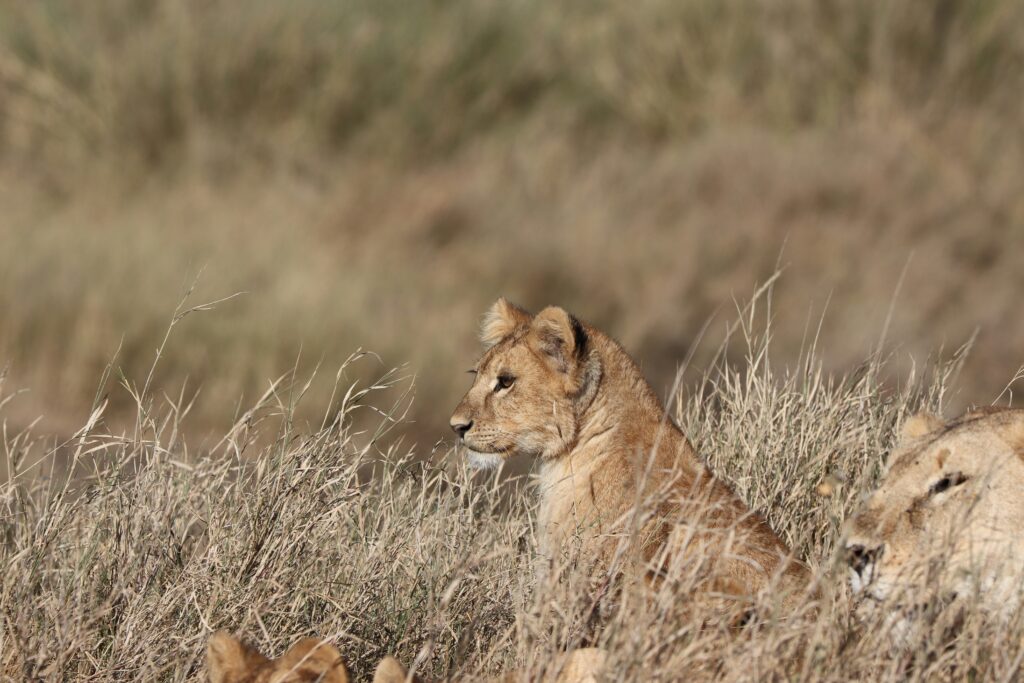
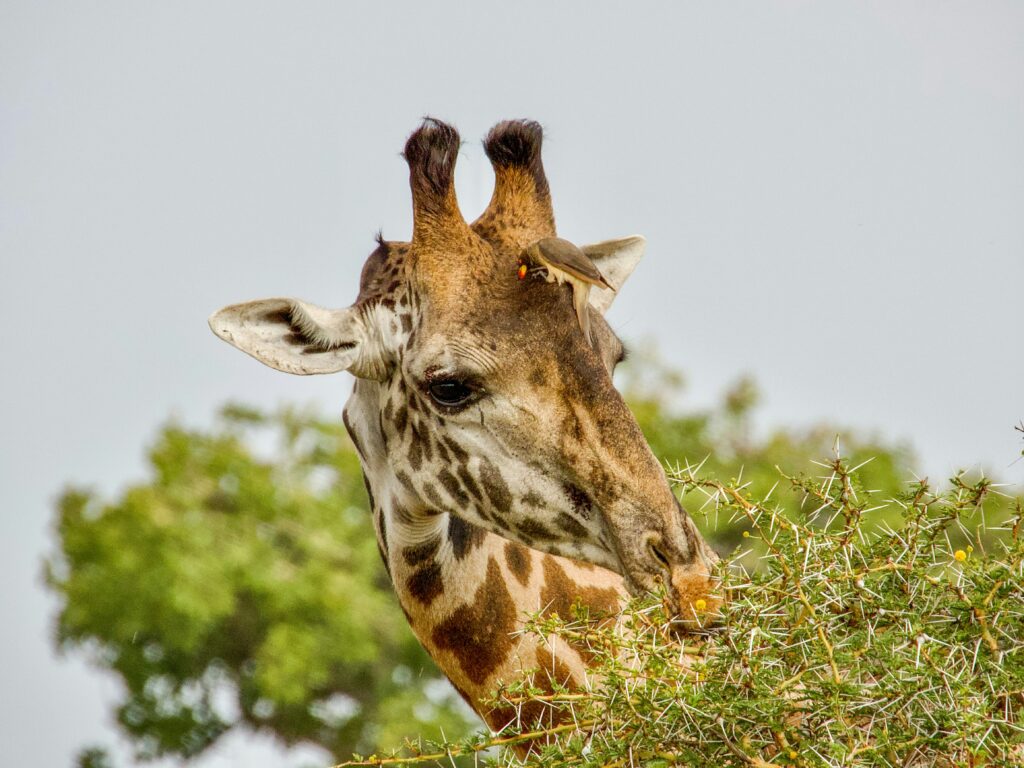
Serengeti National Park is one of the most famous safari destinations in the world and is located in northern Tanzania. The park is well known for the Great Migration, where millions of wildebeests, zebras, and gazelles move across the plains in search of fresh grass and water. Witness this spectacle year-around as it follows its ancient cyclical patterns. Serengeti is home to many animals including lions, leopards, cheetahs, elephants, giraffes, buffaloes, and many bird species. The park has wide open plains, beautiful landscapes, and amazing sunsets that make it perfect for photography and wildlife viewing. The best time to visit Serengeti depends on the migration movement, but wildlife can be seen all year round. Visiting Serengeti National Park offers an unforgettable safari experience and is a must-visit destination for anyone planning a Tanzania safari.
02. Ngorongoro Crater: A Natural Wonder of Tanzania
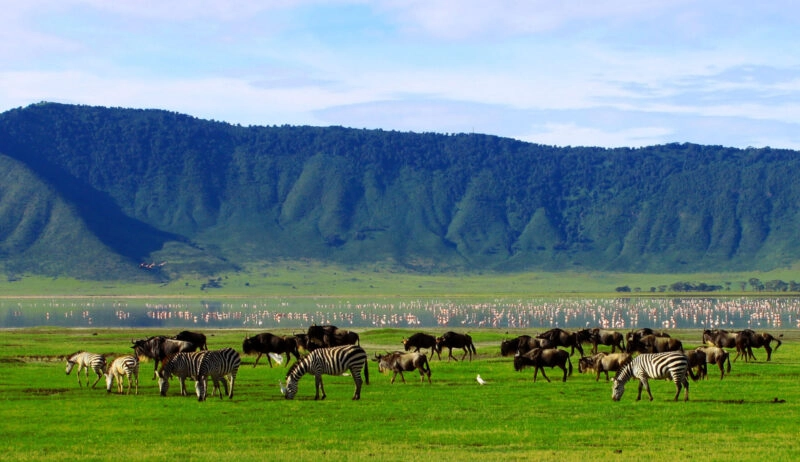
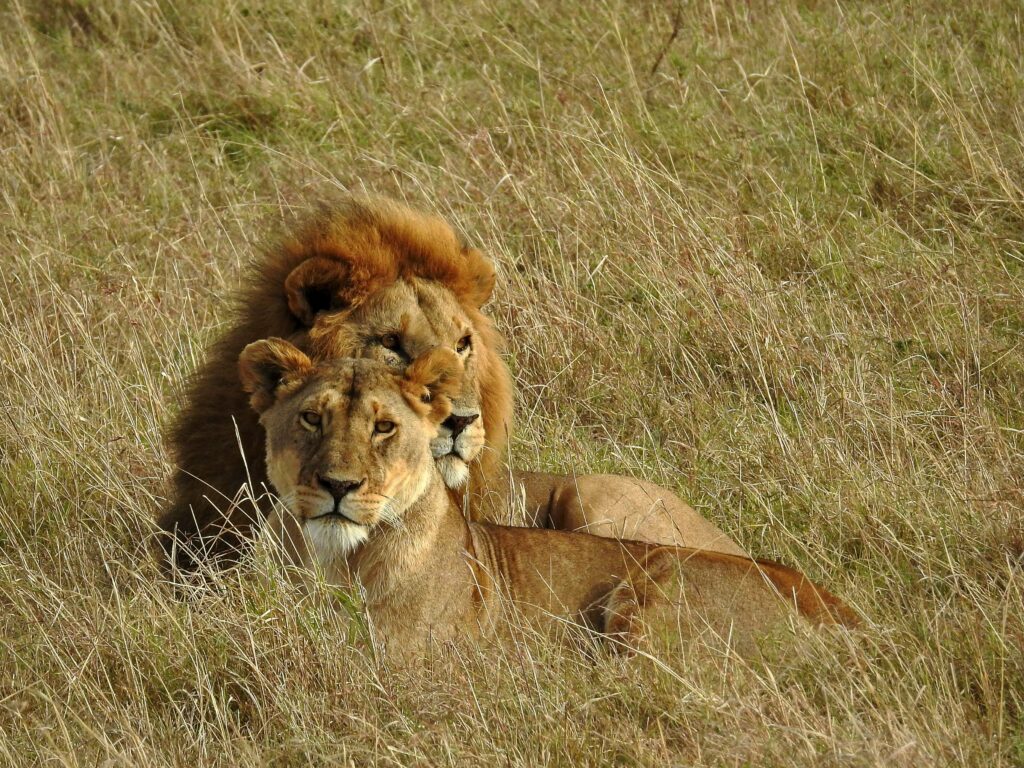
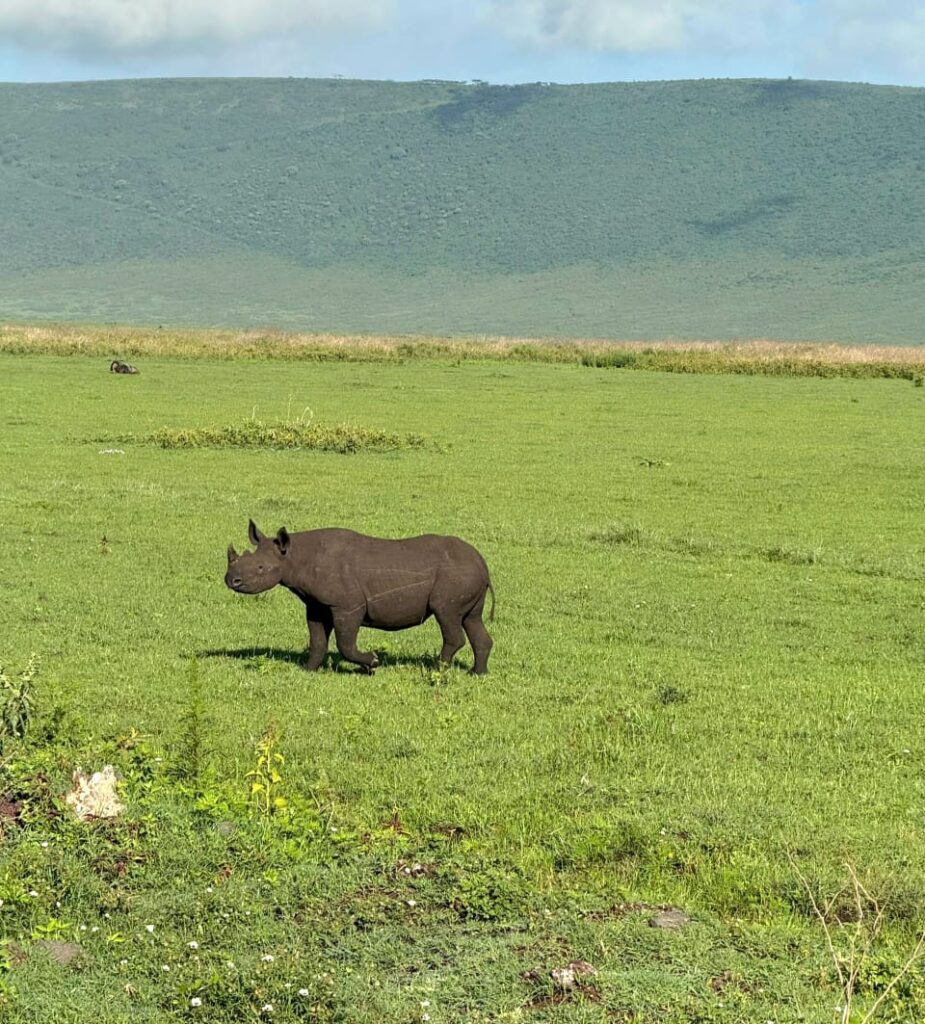
Ngorongoro Crater is one of the most famous safari destinations in Tanzania and is part of the Ngorongoro Conservation Area, a UNESCO World Heritage Site located in northern Tanzania. The crater was formed millions of years ago when a large volcano collapsed, creating the world’s largest intact volcanic caldera. Today, it is home to a high concentration of wildlife including lions, elephants, buffaloes, zebras, wildebeests, hippos, hyenas, and the rare black rhino. The crater also has beautiful landscapes such as grasslands, forests, swamps, and Lake Magadi where flamingos can sometimes be seen. Ngorongoro can be visited all year round, and it is one of the best places in Africa to see many animals in a single day, making it a must-visit destination for anyone planning a Tanzania safari.
04. Zanzibar: Spice Island and Pure Sandy Beaches
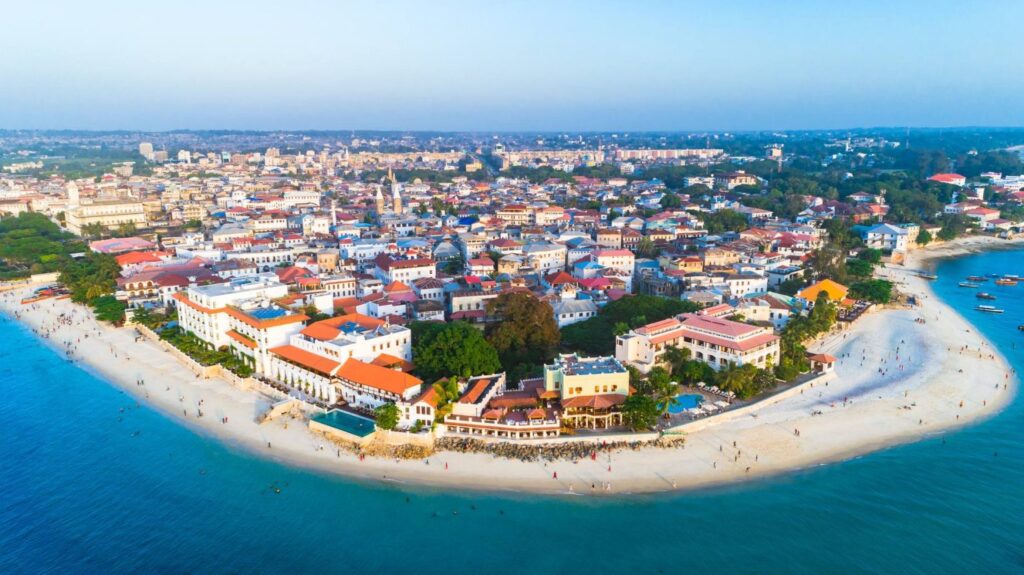
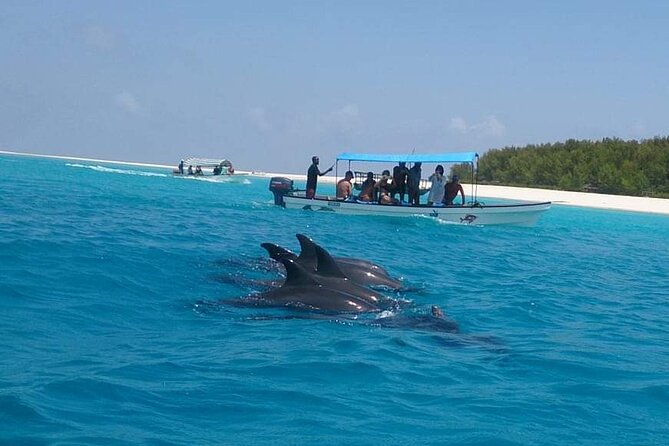
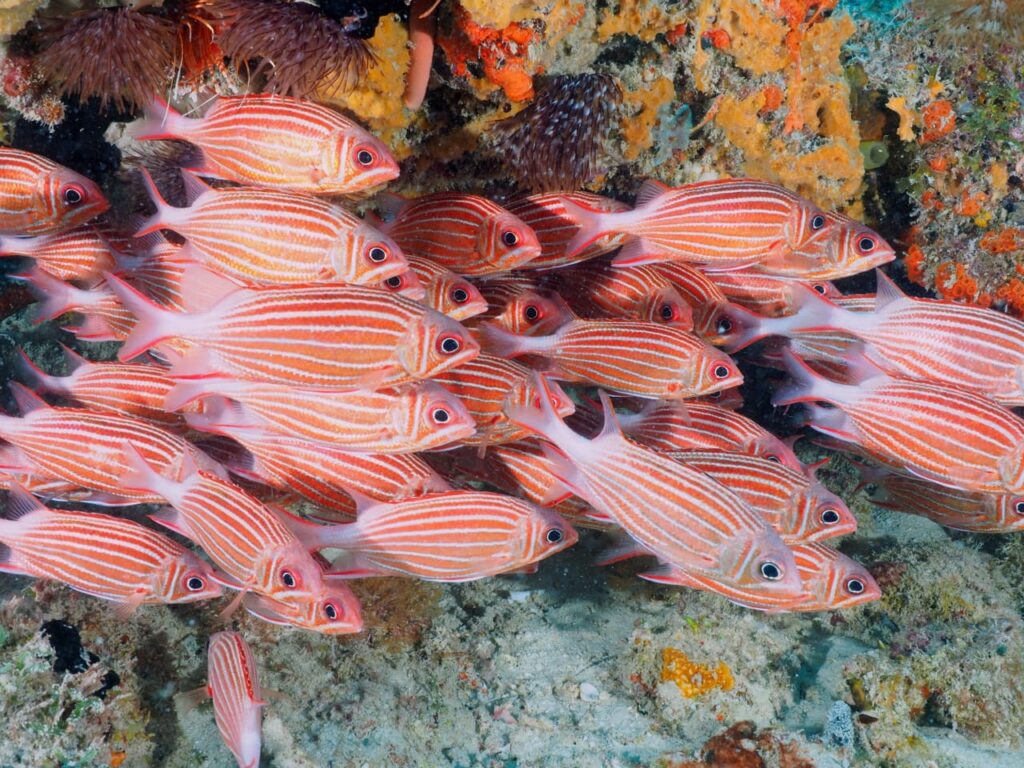
The main island, Unguja (also known as Zanzibar),the main island of the archipelago in the United Republic of Tanzania, is famous for its beautiful beaches, rich in history and Spice culture and Swahili traditions, which located in the Indian Ocean along the Spice Route, it has seen the passage of Sultans, Slaves and Pirates on its White Beaches. Stone Town, a UNESCO World Heritage Site, represents the fusion of Swahili and Islamic culture. Today, Zanzibar captivates visitors with its white sand beaches, crystal clear sea and lush forest. Zanzibar island, offers a turquoise lagoon and a Coral Reef rich in marine life, Tropical Fishes and Dolphins. It has many hotels which offer modern comforts with traditional influences, while the best season to visit is November to March, also ideal for spotting humpback whales and whale sharks.
Pemba Island is the second-largest in the archipelago, boasting pristine nature, dense forests, green valleys and white-sand beaches. Beautiful coral and rich marine life make for excellent scuba diving along its mangrove-knotted shores. Therefore, Zanzibar is a tropical paradise located off the coast of Tanzania in the Indian ocean. It is one of African’s most loved holiday destinations, combining stunning beaches, rich cultural heritage, and unforgettable ocean adventures-perfect for both relaxation and exploration.
05. Olduvai Gorge:The Cradle of Mankind
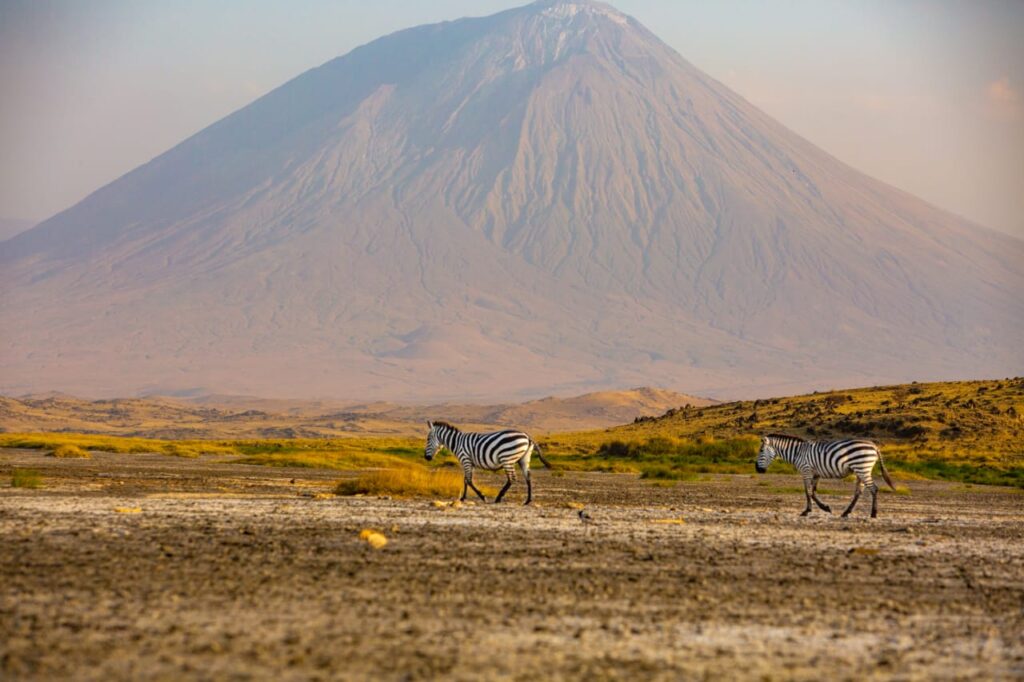
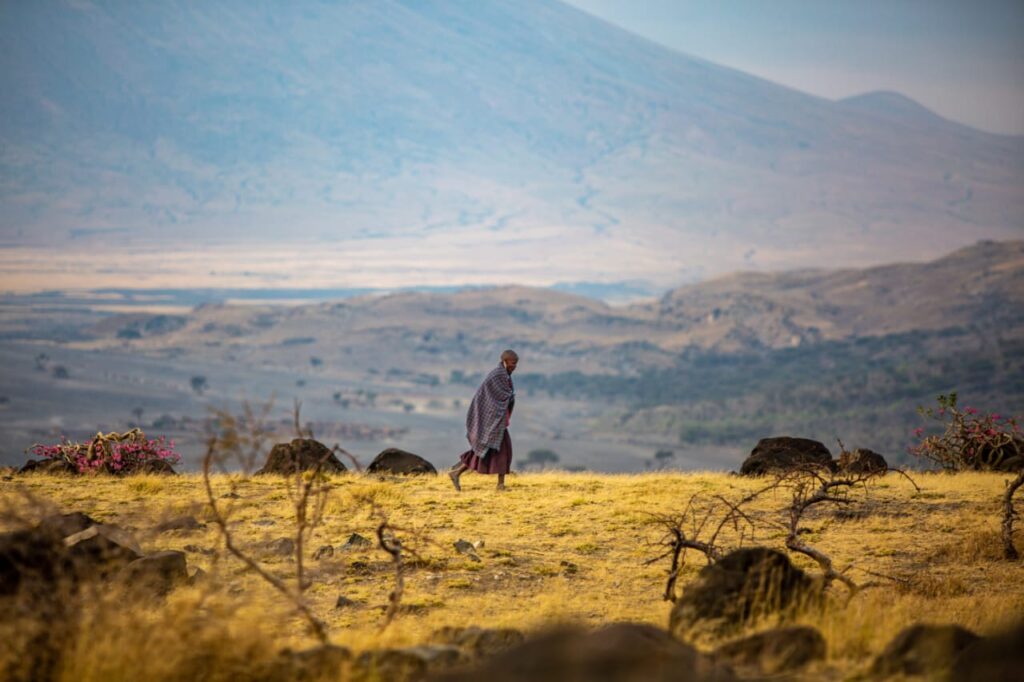
Olduvai Gorge, captured by Gailhampshire, is one of the most important archaeological sites in the world and is known as the “Cradle of Mankind.” Located in northern Tanzania, it is where some of the most important early human fossils were discovered, helping us understand human evolution. Visitors, including students, historians, and photographers, come to experience the history and significance of this place. Walking through the gorge gives a sense of the ancient past, making it a memorable and meaningful stop. For anyone visiting Tanzania, Olduvai Gorge is a must-see destination that adds history and depth to their journey.
06. Tarangire National Park: The Land of Giants Elephants & Baobab Trees
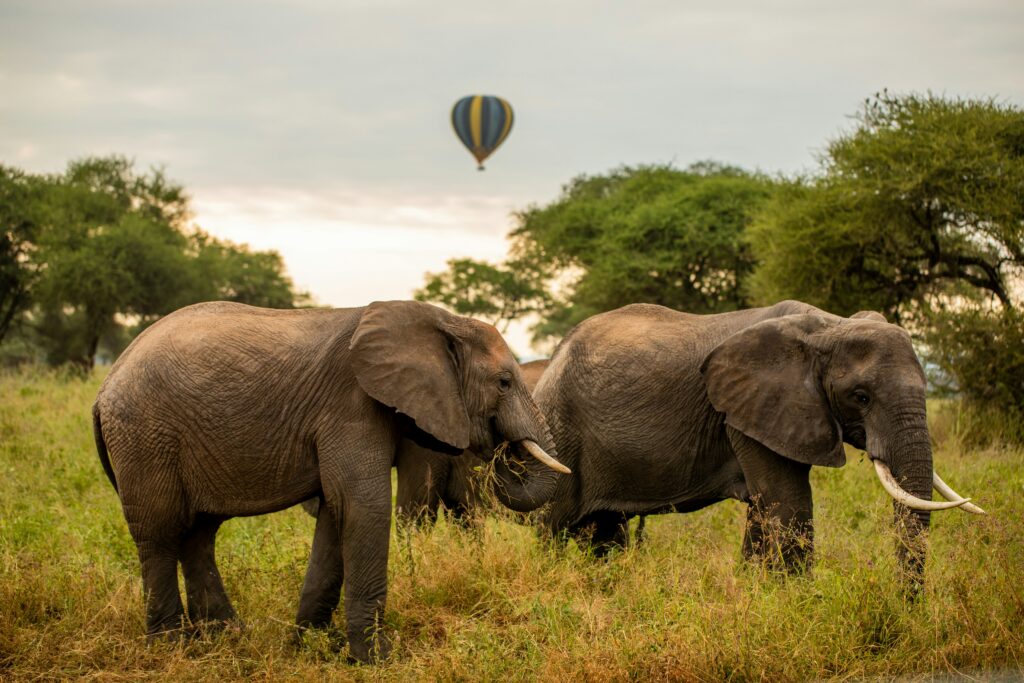
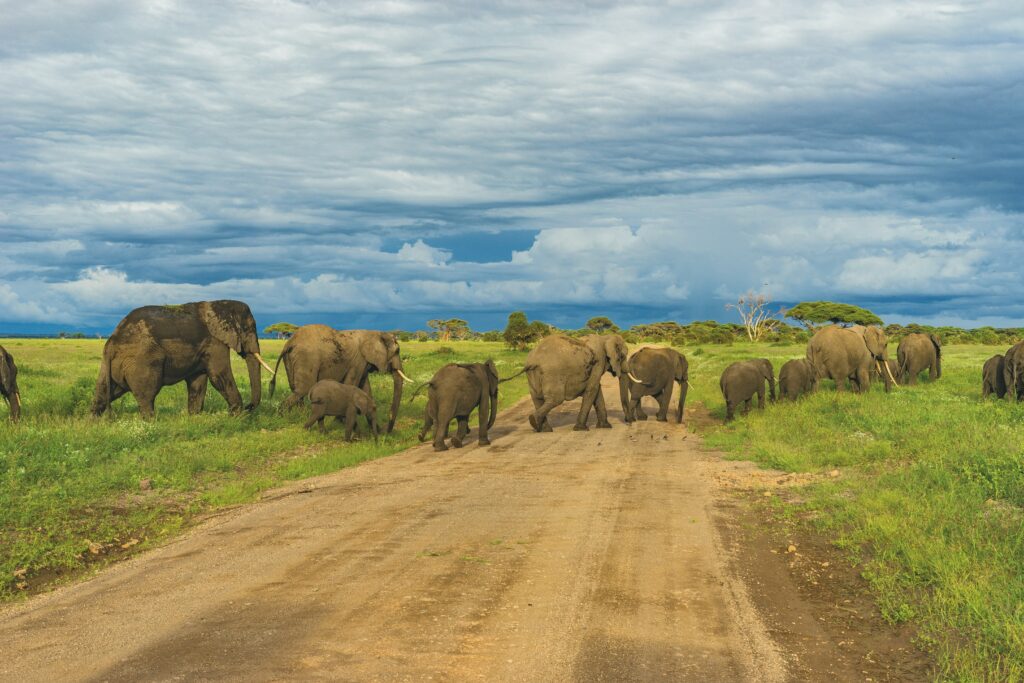
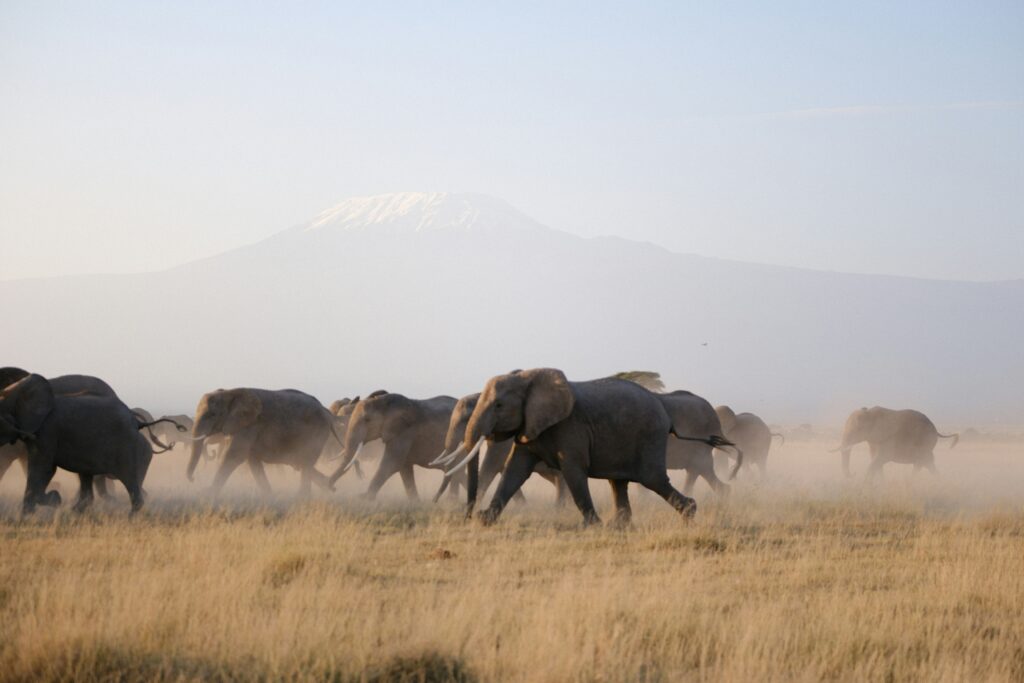
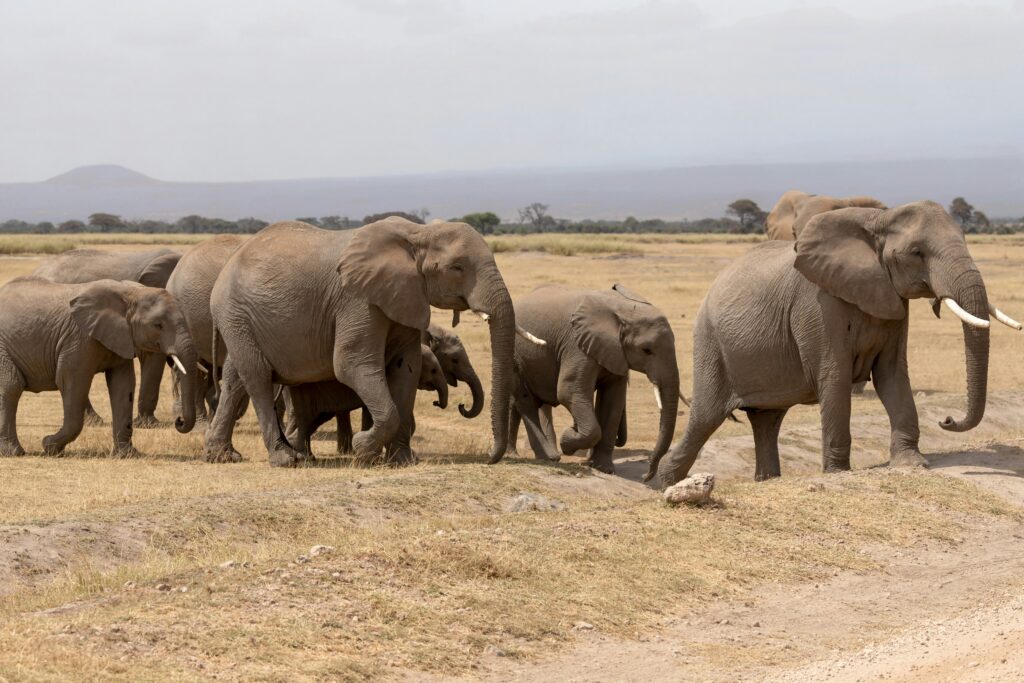
Tarangire National Park is one of Tanzania’s most beautiful wildlife destinations, located in the northern safari circuit about two hours from Arusha. The park is famous for its large elephant herds, ancient baobab trees, and rich wildlife. The Tarangire River is the main water source, especially during the dry season, attracting many animals such as elephants, lions, giraffes, zebras, wildebeests, buffaloes, and different types of antelopes. Tarangire is also known for bird watching, with more than 500 bird species including lovebirds, hornbills, and eagles, making it a great place for photography. The best time to visit is during the dry season from June to October when animals gather near the river and are easier to see. The park also offers beautiful landscapes with open savannah, seasonal swamps, and giant baobab trees, as well as amazing sunset views, making Tarangire National Park a must-visit destination for anyone planning a Tanzania safari.
07. Lake Manyara National Park: A Scenic Wildlife Paradise
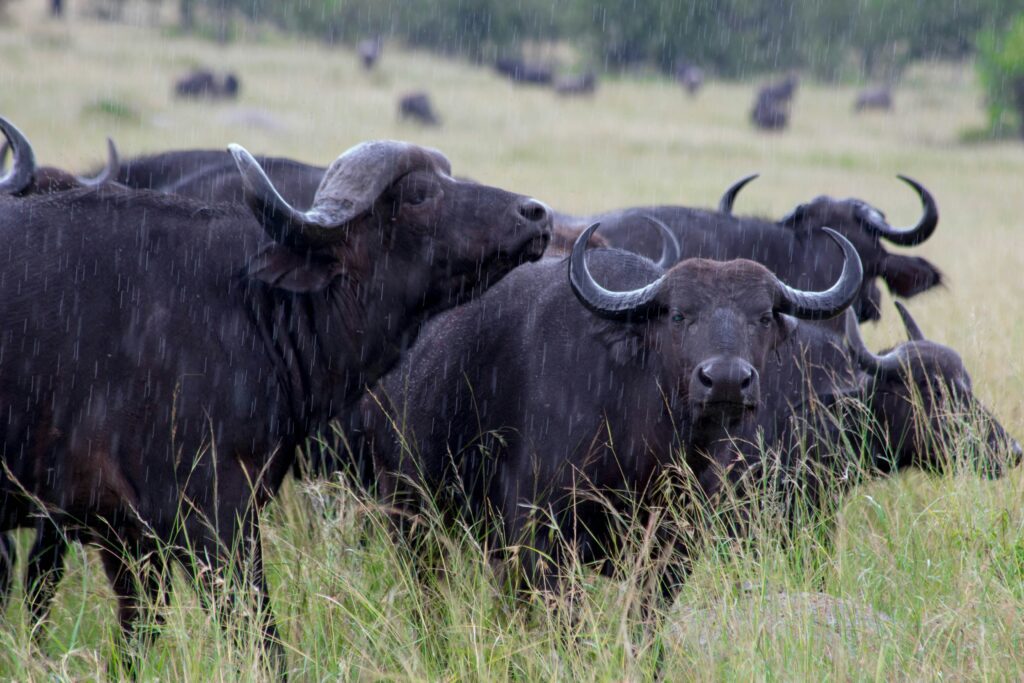
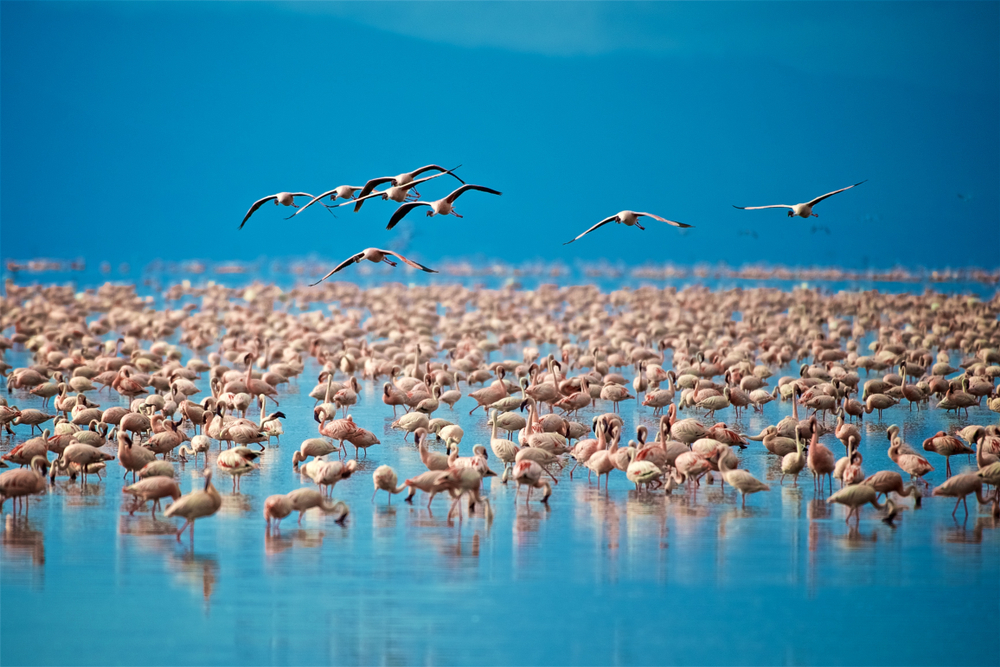
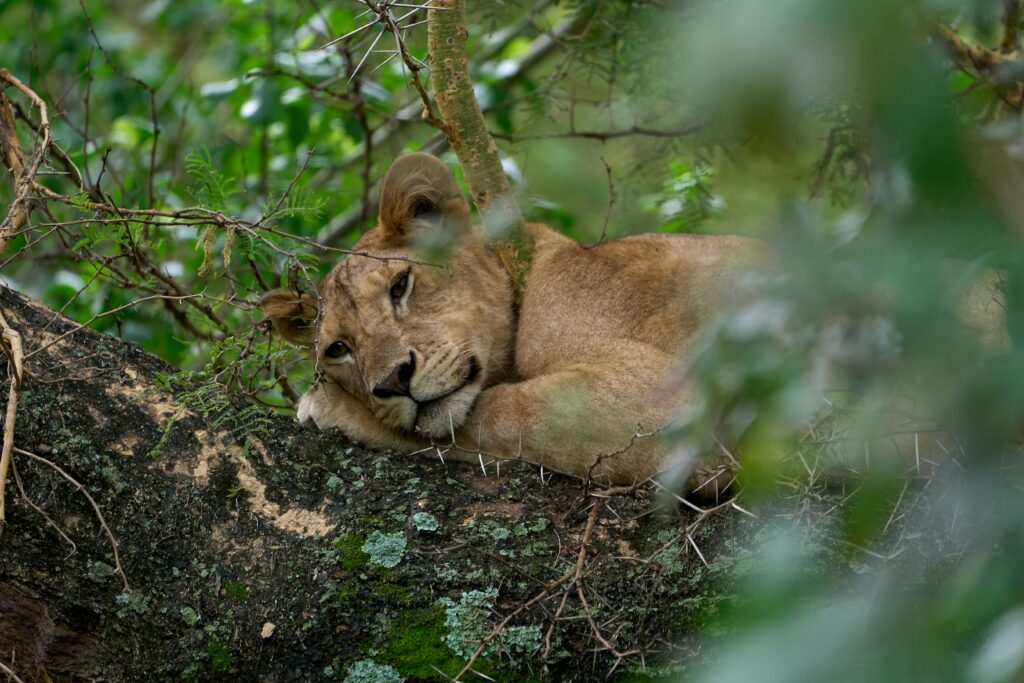
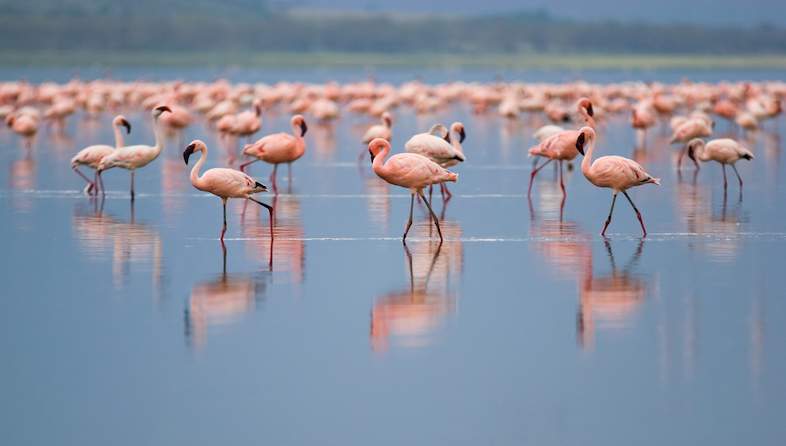
Lake Manyara National Park is a beautiful wildlife destination located in northern Tanzania, between the Great Rift Valley escarpment and Lake Manyara. The park is famous for its tree-climbing lions, large troops of baboons, and diverse wildlife including elephants, giraffes, zebras, hippos, and buffaloes. Lake Manyara is also well known for bird watching, with thousands of flamingos and many other bird species found around the lake. The park offers stunning scenery with groundwater forests, open grasslands, hot springs, and the soda lake itself. Lake Manyara can be visited all year round and is a perfect destination for a short safari, nature lovers, and photographers, making it an important stop on a Tanzania safari itinerary.
08. Nyerere National Park: Tanzania’s Untouched Wildlife Gem
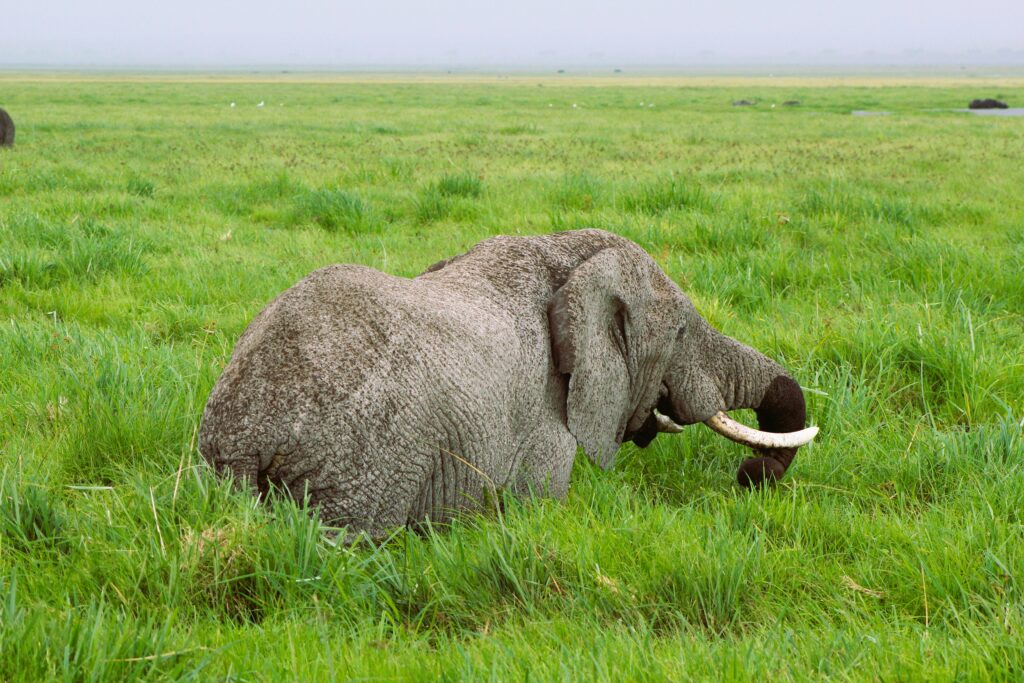
Named after Tanzania’s founding father, Nyerere National Park, formerly known as Selous Game Reserve, is one of Tanzania’s largest and most pristine wildlife areas, located in the southern part of the country. The park is home to a wide variety of animals including elephants, lions, leopards, giraffes, hippos, crocodiles, and many antelope species, as well as over 400 species of birds. Nyerere offers a unique safari experience with vast savannahs, rivers, wetlands, and beautiful landscapes, making it perfect for game drives, boat safaris, and bird watching. The park is less crowded than northern safari parks, giving visitors a more private and peaceful wildlife experience. Visiting Nyerere National Park allows travelers to explore Tanzania’s untouched nature and enjoy an unforgettable safari adventure.
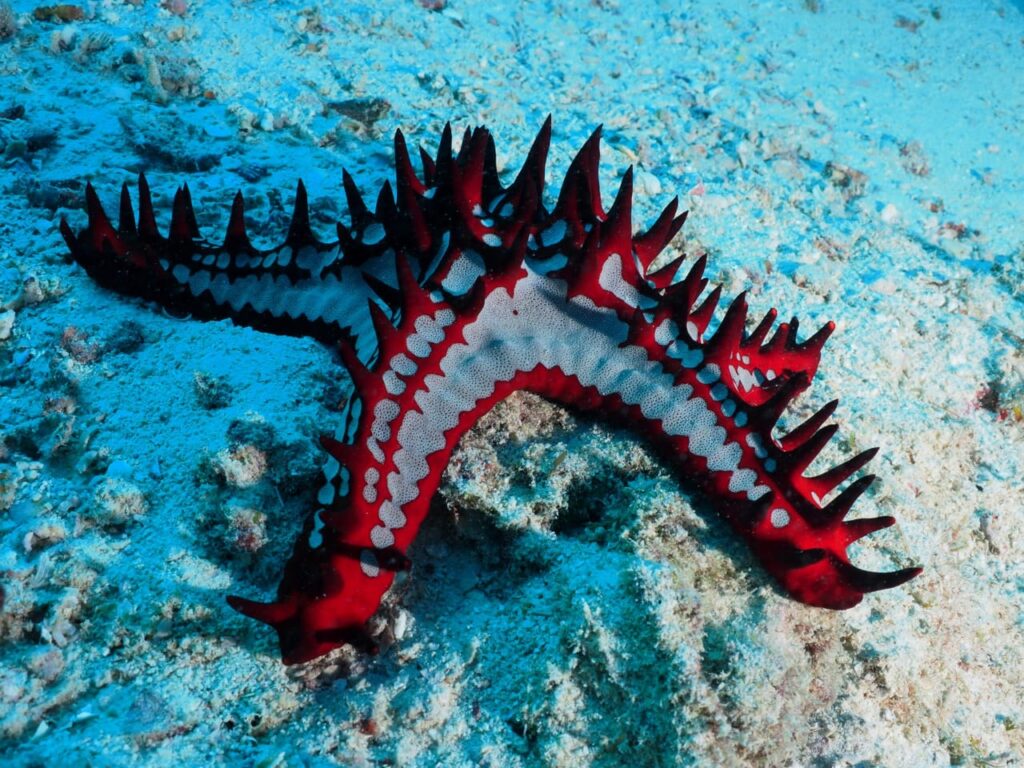
09. Mafia Island: The Paradise of Whale sharks
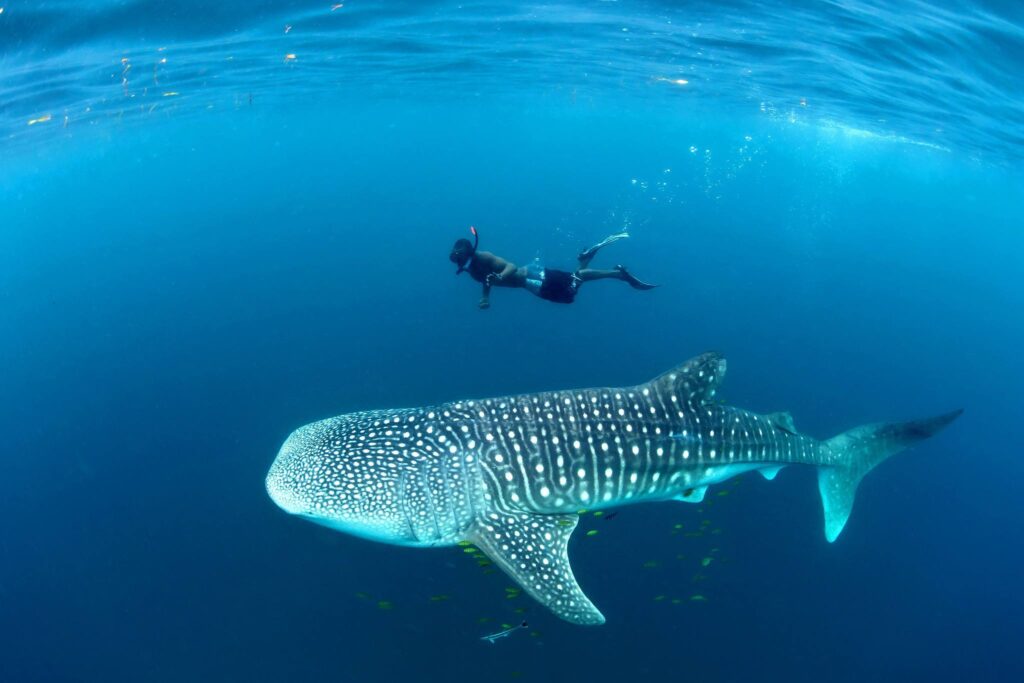
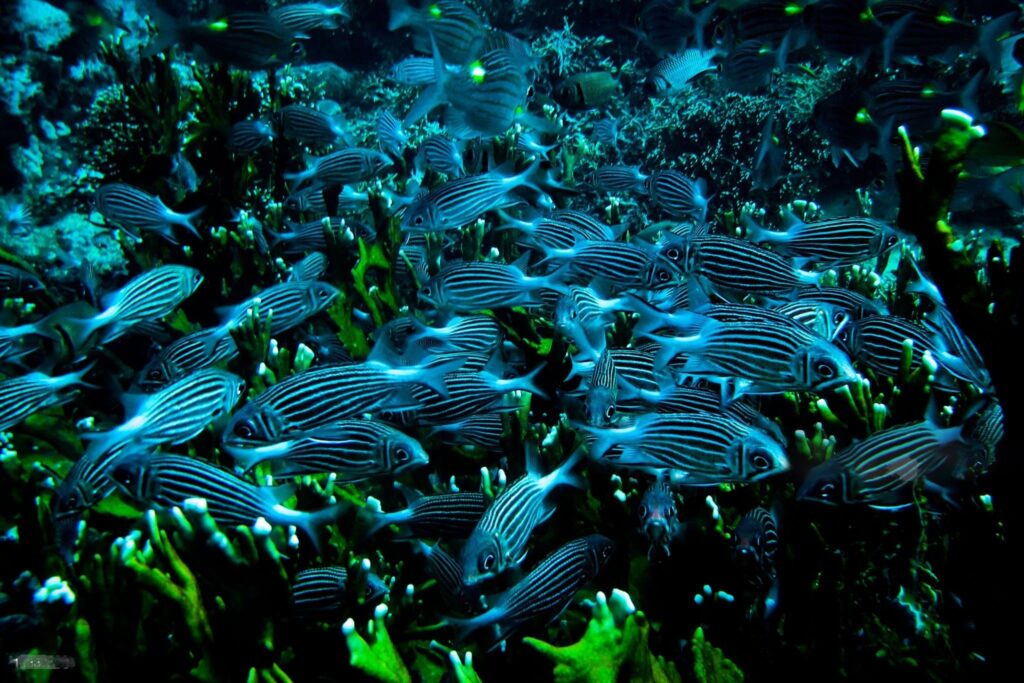
Mafia is a wonderful island with relaxing beach escapes to full eco-adventure. Come and discover a side of Tanzania where the sea meets serenity, every sunrise feels like secret shared only with you and where you can feel truly connected to the rhythm of island life and Swahili culture. Mafia island is surrounded by turquoise waters and coral reefs. It is the nice place for snorkeling and scuba diving in crystal-clear water among over 400 species of fish and 50 types of coral, swimming with whale sharks-the gentle giant of the sea, exploring vibrant coral gardens, lagoons and sandbanks. Hence, it’s a dream destination for divers, photographers and marine lovers, perfect for honeymooners and eco-tourists as well as a true escape from the Modern world-where time slows down and beauty takes over.
10. Mikumi National Park: Tanzania’s Scenic Safari Destination
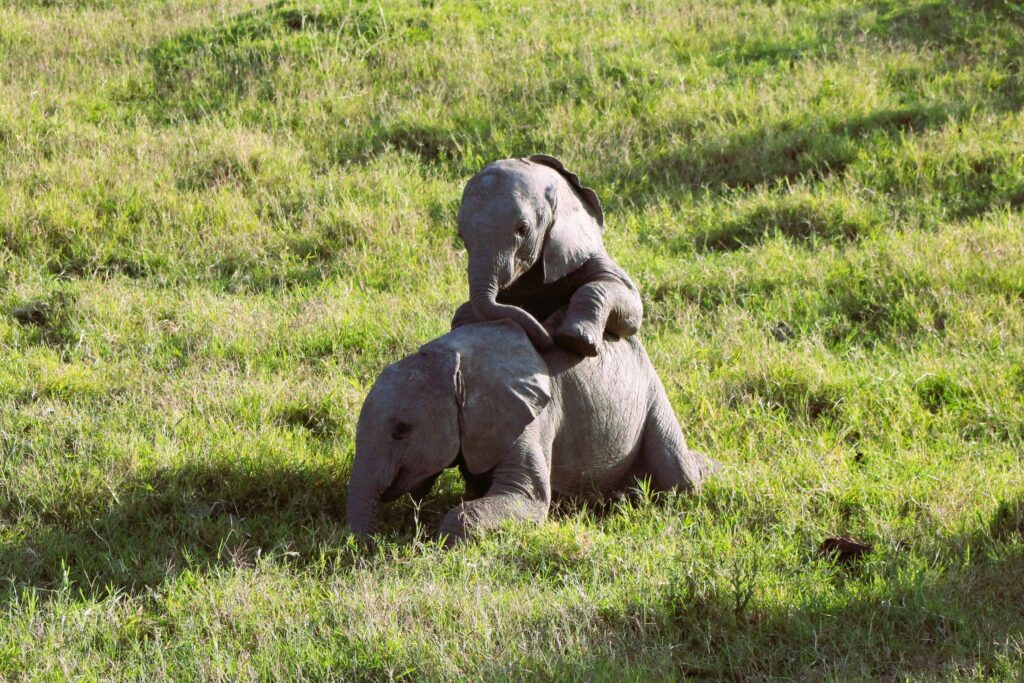
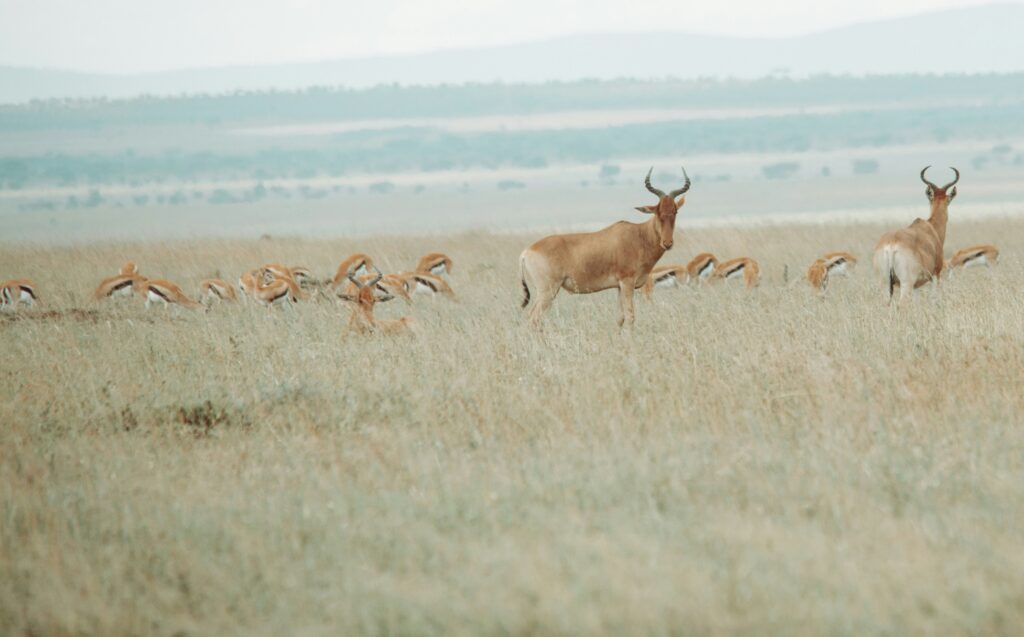
Mikumi National Park is a beautiful wildlife park located in central Tanzania, near the town of Morogoro. The park is known for its open savannah landscapes, rolling hills, and diverse wildlife, including lions, elephants, giraffes, zebras, buffaloes, hippos, and many antelope species. Mikumi is also home to a variety of bird species, making it a great destination for bird watchers. The park is easily accessible and offers excellent game viewing, walking safaris, and photography opportunities. With its peaceful environment and rich wildlife, Mikumi National Park is a perfect stop for travelers seeking an authentic and less crowded safari experience in Tanzania.
11. Arusha National Park: A Scenic Safari Near the City
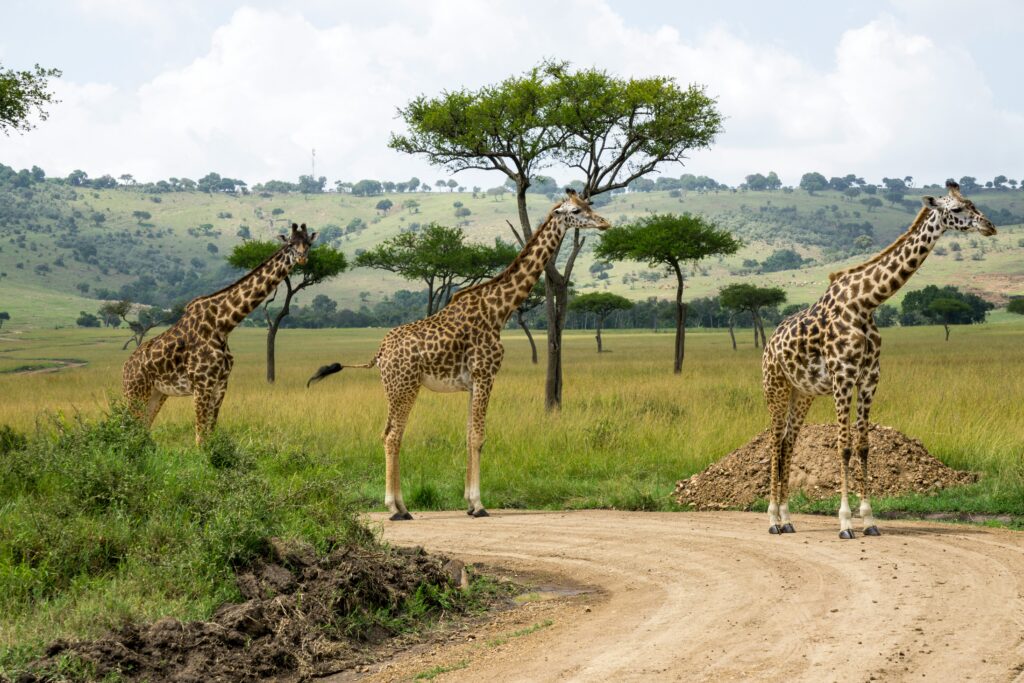
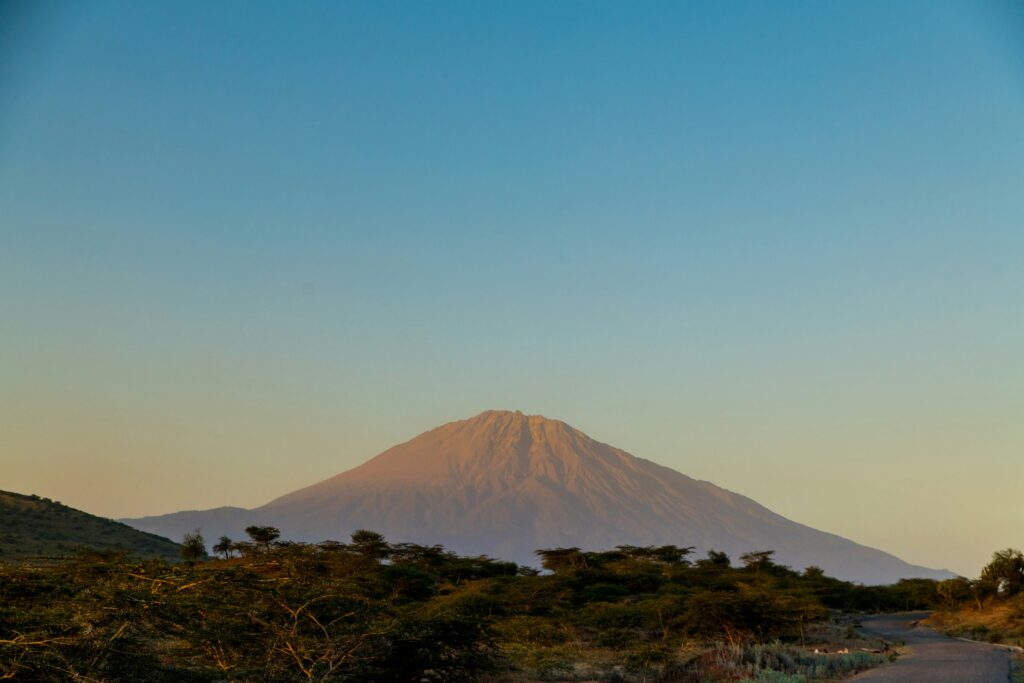
Arusha National Park is a beautiful and easily accessible park located near Arusha city in northern Tanzania. The park is known for its stunning landscapes, including Mount Meru, grassy plains, forests, and small lakes, making it perfect for walking safaris, game drives, and nature photography. Visitors can see a variety of wildlife such as giraffes, zebras, buffaloes, monkeys, and many bird species, as well as hippos and crocodiles in the Momella Lakes. With its close location, diverse scenery, and rich wildlife, Arusha National Park is a great destination for both short visits and those starting a northern Tanzania safari, offering a peaceful and unforgettable nature experience.
12. Ruaha National Park:Tanzania’s Wild Safari Adventure
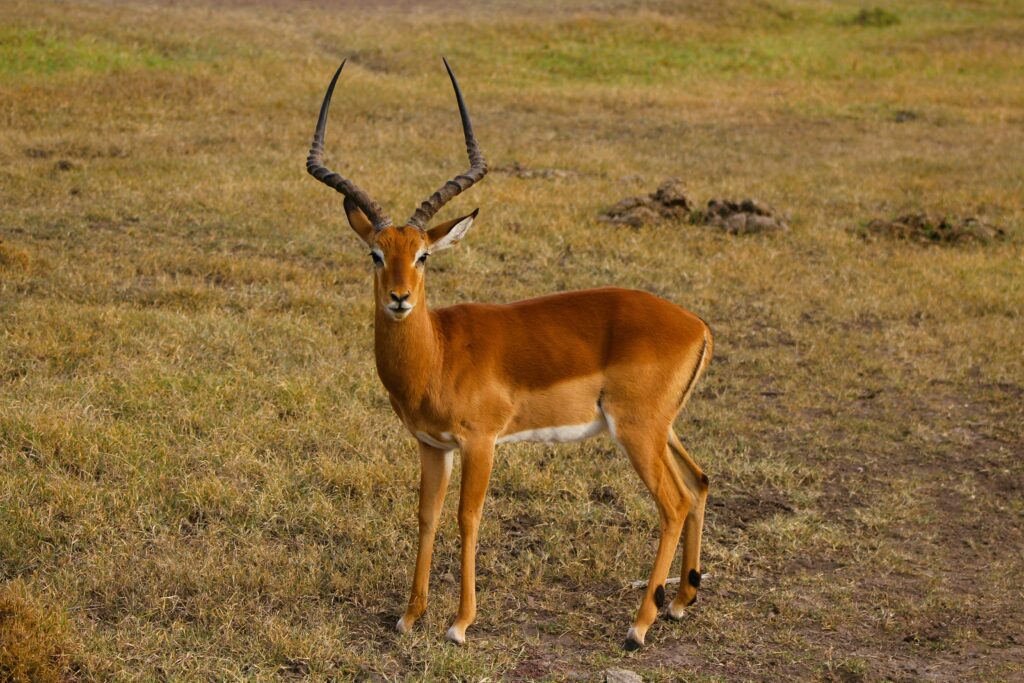
Ruaha National Park is one of Tanzania’s largest and most remote wildlife parks, located in the southern part of the country. The park is known for its rugged landscapes, rolling hills, and the Ruaha River, which attracts a wide variety of animals including elephants, lions, leopards, giraffes, buffaloes, zebras, hippos, and many antelope species. Ruaha is also home to over 400 bird species, making it a paradise for bird watchers. Its remote location means fewer visitors, giving travelers a more peaceful and authentic safari experience. Visiting Ruaha National Park offers the chance to explore Tanzania’s wild and untouched nature while enjoying excellent game viewing and breathtaking scenery.
Is It Safe to Go on a Safari in Tanzania?
Yes! Safaris in Tanzania are very safe and well-organized. All the major national parks are carefully monitored by rangers and security personnel to protect both visitors and wildlife. Safari operators use experienced guides who understand animal behavior, follow safe routes, and maintain proper viewing distances to ensure a safe and enjoyable experience. Many parks are fenced at night to prevent animals from wandering near campsites and lodges, which are also secure and well-protected.
While safaris are safe, it’s important to follow your guide’s instructions at all times, stay inside your vehicle during game drives, and never walk alone in unfenced areas. By respecting these guidelines, you can enjoy a memorable and worry-free safari adventure in Tanzania.
Which Safari Is The Best In Tanzania?
The best safari in Tanzania really depends on the kind of adventure you’re looking for. For many travelers, Serengeti National Park is the top choice, famous worldwide for the Great Migration, vast open savannahs, and amazing big-cat sightings. If you dream of exploring endless plains and seeing wildlife in large numbers, Serengeti is the perfect destination.
For a more dramatic and enclosed experience, Ngorongoro Crater is ideal. Its unique bowl-shaped landscape creates a natural sanctuary where the Big Five live together, offering unforgettable wildlife encounters. If you prefer a quieter and less crowded safari, Tarangire National Park is perfect, known for its huge elephant herds and peaceful atmosphere.
Every park in Tanzania has its own special charm, and together they make the country one of the most iconic safari destinations in the world.
Why Tanzania Should Be on Your Bucket List
Tanzania is a land of wonders, from the vast Serengeti plains and Ngorongoro Crater to the snowy peak of Mount Kilimanjaro and the turquoise beaches of Zanzibar. Whether you seek wildlife adventure, cultural experiences, or pure relaxation, Tanzania offers unforgettable moments at every turn. With stunning landscapes, rich wildlife, and warm, welcoming people, it’s no wonder Tanzania belongs on every traveler’s bucket list.
Frequently Asked Questions(???)
01. What Is the Best Time to Visit Tanzania?
The best time to visit Tanzania depends on the type of experience you’re looking for. June to October is ideal for a classic wildlife safari, as the dry season brings animals together around water sources, making game viewing at its best. November to March is perfect for travelers seeking a quieter, more scenic experience, with fewer crowds, easier bird watching, and the exciting calving season when young animals are born. No matter when you visit, Tanzania offers unforgettable landscapes and wildlife experiences all year round.
02. Is Tanzania Safe for Tourists?
Yes! Tanzania is considered one of the safest countries in East Africa for travelers, and its major safari destinations—such as Serengeti, Ngorongoro, Tarangire, and Nyerere National Park—are well-managed and secure. Parks are patrolled by experienced rangers, and safari guides ensure a safe and enjoyable experience. While Tanzania is very safe, it’s always wise to follow common travel precautions: avoid walking alone at night in cities, keep your belongings secure, and listen to your guide’s instructions. By taking these simple steps, you can enjoy a worry-free and unforgettable safari adventure.
03. Do I Need a Visa to Enter Tanzania?
Most international travelers do need a tourist visa to enter Tanzania. The country offers e-visas and visas on arrival for many nationalities, making the process convenient. Before you travel, it’s always a good idea to check the latest requirements. Also, make sure your passport is valid for at least six months beyond your planned entry date.
04. How Many Days Do I Need for a Tanzania Safari?
The ideal length of a Tanzania safari typically ranges from 5 to 10 days, depending on the number of parks and experiences you wish to include. Shorter itineraries often focus on iconic destinations such as Serengeti and Ngorongoro Crater, while longer safaris may also include Tarangire, Lake Manyara, or Nyerere National Park for a more diverse wildlife experience. If your plans also include activities like climbing Mount Kilimanjaro or visiting Zanzibar, allowing extra days ensures a more relaxed and fulfilling journey, giving you time to fully enjoy each destination.